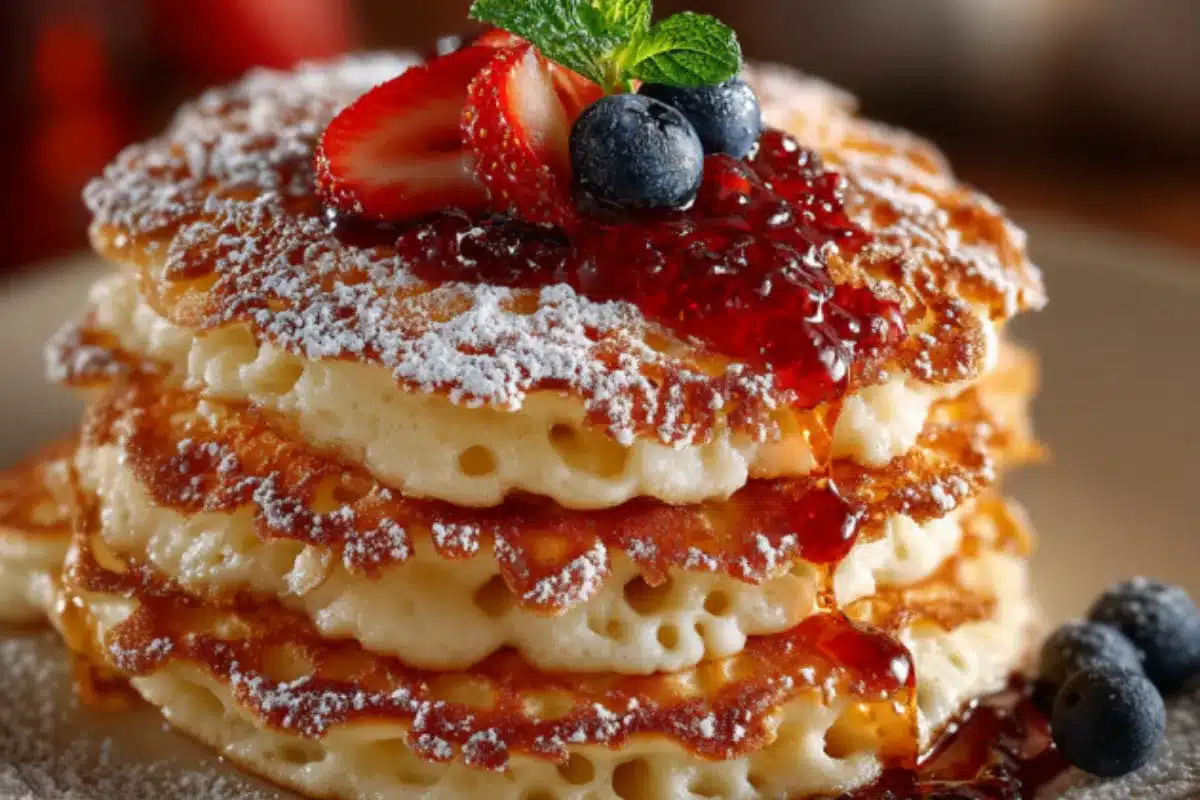
Do you miss the days of waking up to a warm, tall stack of fluffy Saturday morning pancakes? If you are living gluten-free, you might feel like you have to say goodbye to your favorite comfort foods. Maybe you have tried making gluten-free pancakes before, only to end up with a plate of flat, dry, or gummy disks that taste like cardboard. It can be so frustrating when you just want a normal, delicious breakfast that does not make your tummy hurt.
The good news is that you do not have to miss out anymore. You can absolutely enjoy a plate of warm, soft, pillowy pancakes that taste just like the ones from your favorite diner. In fact, this recipe has a secret ingredient that makes them even better, softer, and healthier than traditional pancakes. Get ready to fall in love with breakfast all over over again, because you are about to make the ultimate gluten-free pancake.
Overview
This recipe is truly special because it solves the biggest problem in gluten-free baking: dryness. By adding cottage cheese to the batter, we create a pancake that is incredibly moist, tender, and naturally packed with protein. You will not taste the cottage cheese at all. Instead, it melts into the batter as it cooks, leaving you with a light and airy texture.
- Difficulty Level: Very Easy
- Prep Time: 10 minutes
- Cook Time: 10 minutes
- Total Time: 20 minutes
- Gluten-Free Status: 100% gluten-free and completely safe for celiacs and anyone with gluten sensitivity.
This is a foolproof recipe that requires no advanced cooking skills. If you can use a blender and flip a pancake, you can make this breakfast with total confidence.
Essential Gluten-Free Ingredients
Choosing the right ingredients is the secret to safe and delicious gluten-free cooking. When you shop, always look for packages that say Certified Gluten-Free on the front label. This ensures the food was made in a safe place free from gluten cross-contamination.
Here is what you will need for this recipe:
- Gluten-Free Flour Blend (1 cup): Use a high-quality 1-to-1 baking flour blend that already contains xanthan gum. Xanthan gum acts like gluten to hold the pancake together so it does not crumble. Brands like King Arthur or Bob’s Red Mill work perfectly.
- Cottage Cheese (1 cup): Use full-fat or 2% cottage cheese. This adds moisture, richness, and healthy protein to your breakfast.
- Eggs (3 large eggs): Eggs give the pancakes structure and help them rise high and fluffy.
- Milk (1/4 cup): You can use regular cow’s milk or any unsweetened dairy-free milk like almond milk or oat milk. Just ensure your oat milk is certified gluten-free.
- Honey or Maple Syrup (1 tablespoon): This adds just a hint of natural sweetness to the batter.
- Baking Powder (1 teaspoon): This creates bubbles in the batter, making the pancakes extra puffy. Check your label to make sure it is gluten-free.
- Salt (1/4 teaspoon): A small pinch enhances all the delicious flavors.
- Vanilla Extract (1 teaspoon): Adds a warm, cozy bakery aroma and taste.
- Butter or Coconut Oil (1 to 2 tablespoons): For greasing the frying pan or griddle.
Fun Mix-ins and Variations
You can easily customize this recipe by gently folding in 1/2 cup of your favorite toppings right before cooking:
- Fresh blueberries
- Semi-sweet chocolate chips
- Chopped walnuts or pecans
- A dash of ground cinnamon
Step-by-Step Instructions
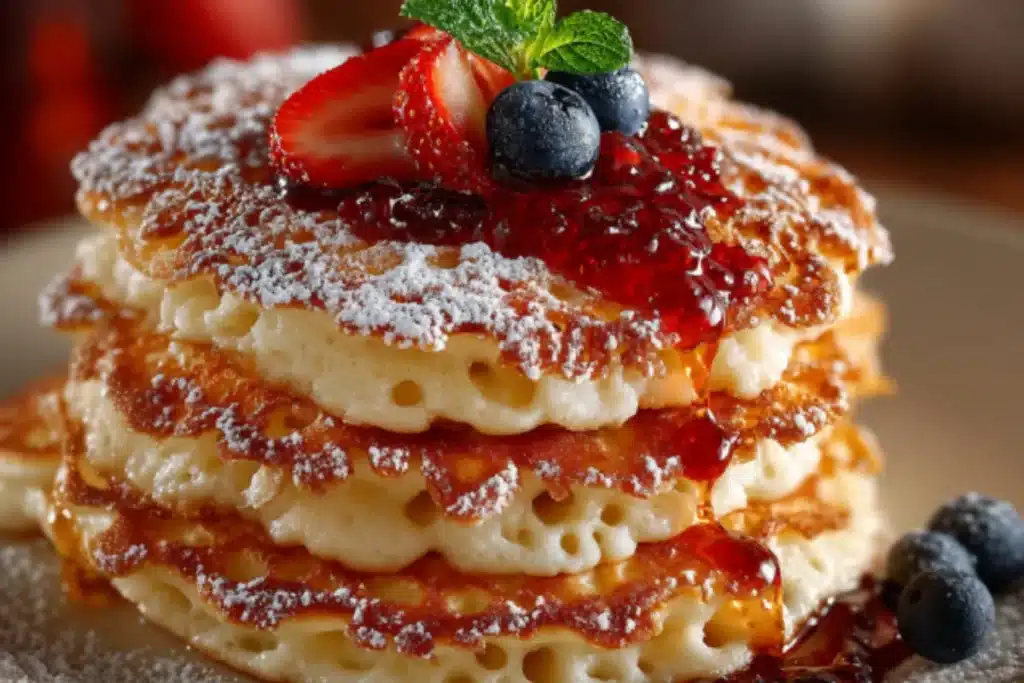
Follow these simple steps for perfect pancakes every single time.
Step 1: Blend the Wet Ingredients
Place 1 cup of cottage cheese, 3 large eggs, 1/4 cup of milk, 1 tablespoon of honey, and 1 teaspoon of vanilla extract into a blender. Blend on high speed for about 30 seconds until the mixture is completely smooth and creamy. There should be no lumps left from the cottage cheese.
Step 2: Add the Dry Ingredients
Add 1 cup of gluten-free flour blend, 1 teaspoon of baking powder, and 1/4 teaspoon of salt into the blender with the wet mixture. Pulse the blender a few times just until the flour disappears. Be careful not to over-blend, or the pancakes can become too dense.
Step 3: Let the Batter Rest
Pour the batter into a bowl and let it sit undisturbed for 5 minutes. This is a crucial rule for gluten-free baking. The rest time allows the gluten-free flour to fully absorb the liquids, which prevents your pancakes from having a gritty texture.
Step 4: Heat the Pan
Place a large non-stick skillet or griddle over medium-low heat. Melt 1 tablespoon of butter or coconut oil in the pan to coat the surface. To avoid cross-contamination, make sure your pan and spatula have been thoroughly washed with a clean sponge if they are normally used for regular wheat cooking.
Step 5: Cook the Pancakes
Scoop the batter using a 1/4-cup measuring cup and pour it onto the hot skillet. Cook for about 3 to 4 minutes. You will know it is time to flip when you see small bubbles form on the top surface and the edges look dry and set.
Step 6: Flip and Finish
Carefully slide a spatula under the pancake and flip it over in one quick motion. Cook the second side for another 2 to 3 minutes until it is golden brown and cooked through in the center. Repeat with the remaining batter, adding more butter to the pan as needed.
Assembly and Serving Suggestions
Serving these pancakes hot makes them an absolute treat. Stack three or four pancakes on a plate to keep them warm and fluffy.
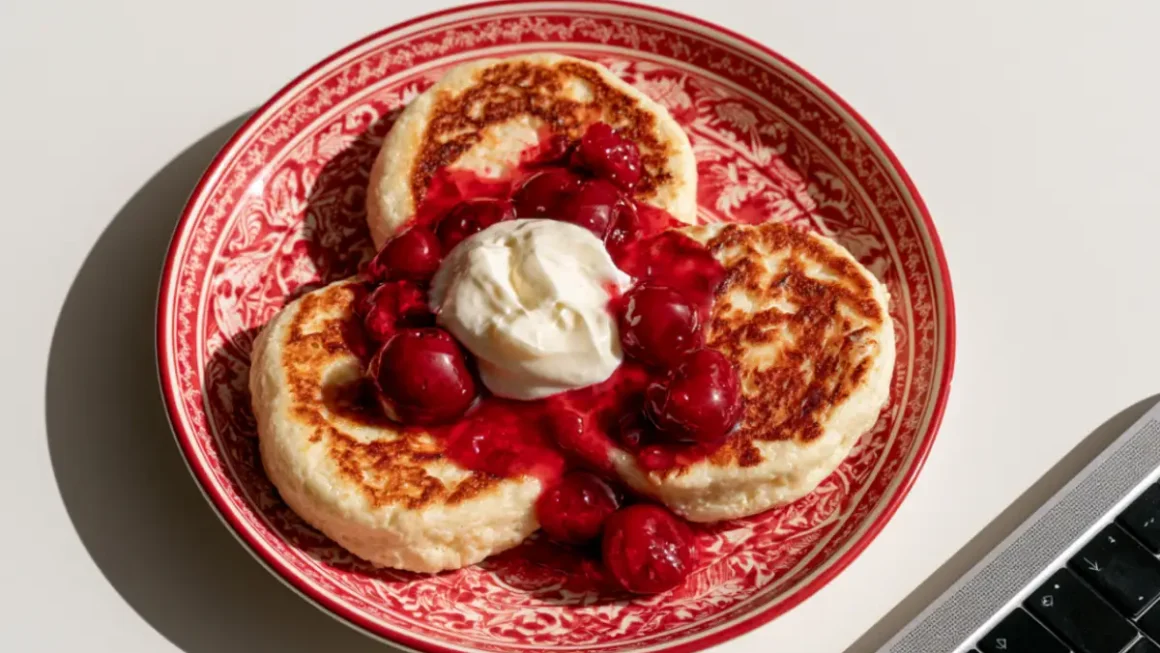
For a classic look, top your warm stack with a small pat of butter and a generous drizzle of pure maple syrup. If you want to add more color and nutrition to your breakfast table, serve these pancakes alongside a big bowl of fresh sliced strawberries, ripe bananas, or red raspberries. They also pair wonderfully with a side of crispy bacon or warm turkey sausage for a complete, satisfying morning meal.
Storage and Make-Ahead Tips
If you have leftovers, do not throw them away. These pancakes store beautifully and make a quick weekday breakfast.
- Refrigerating: Allow the cooked pancakes to cool down completely to room temperature. Place them in an airtight container or a zip-top bag. Store them in the refrigerator for up to 3 days.
- Freezing: Lay the cooled pancakes in a single layer on a baking sheet and freeze them for 1 hour. Once they are firm, transfer them into a freezer-safe bag with sheets of parchment paper between each pancake so they do not stick together. They will stay fresh in the freezer for up to 2 months.
- Reheating: Skip the microwave, as it can make gluten-free bread products chewy. Instead, pop the frozen or refrigerated pancakes right into your toaster on a medium setting. You can also warm them on a baking sheet in the oven at 350°F (180°C) for about 5 to 7 minutes until they are hot and crispy on the edges.
Recipe Variations
You can easily adapt this base recipe to fit different dietary preferences or seasonal cravings.
High-Protein Boost
If you want even more protein to power you through a busy day, stir 2 tablespoons of your favorite certified gluten-free vanilla protein powder into the batter along with the flour. If the batter becomes too thick to pour, simply stir in 1 extra tablespoon of milk.
Autumn Pumpkin Twist
Turn these into fall-themed treats by reducing the cottage cheese to 1/2 cup and adding 1/2 cup of pure canned pumpkin puree. Add 1 teaspoon of pumpkin pie spice to the dry ingredients for a cozy, comforting flavor.
Gluten-Free Pancake Muffins
If you love meal prepping, grease a 12-cup muffin tin with cooking spray. Divide the pancake batter evenly among the cups. Bake at 350°F (180°C) for 12 to 15 minutes until a toothpick inserted in the center comes out clean. You now have grab-and-go breakfast bites for the whole week.
Conclusion
Living gluten-free does not mean you have to give up on the foods that bring you joy. With simple, healthy ingredients like cottage cheese and a good flour blend, you can create a breakfast that everyone in your family will love, whether they eat gluten-free or not. You can cook with total peace of mind knowing this meal is safe, nourishing, and completely delicious.
Please leave a comment below to let us know how your pancakes turned out, or share your favorite toppings with our community.
FAQs Section
Can I use oat flour or almond flour instead of a gluten-free flour blend?
It is best to stick with a 1-to-1 gluten-free baking flour blend for this specific recipe. Almond flour absorbs liquids differently and does not have the starch needed to make the pancakes fluffier. Oat flour can sometimes make the cottage cheese batter too heavy and gooey in the center.
How do I keep my gluten-free pancakes from crumbling apart?
Gluten acts like glue in regular baking. Without it, pancakes can break easily. This recipe uses eggs and a flour blend with xanthan gum to replace that glue. Letting the batter rest for 5 minutes before cooking also helps the ingredients bind together so your pancakes stay whole when you flip them.
What are the health benefits of adding cottage cheese to pancakes?
Cottage cheese is a wonderful superfood for breakfast. It adds a large amount of protein, which keeps you feeling full and satisfied for hours. It also provides calcium for strong bones and vitamins that give you natural energy throughout the morning without causing a sugar crash.
Why did my pancakes turn out raw or mushy in the middle?
If the outside is dark brown but the inside is gooey, your stove heat is too high. Gluten-free batter takes a little longer to cook through than wheat batter. Lower your stove heat to medium-low. This allows the center of the pancake to cook perfectly without burning the outside.